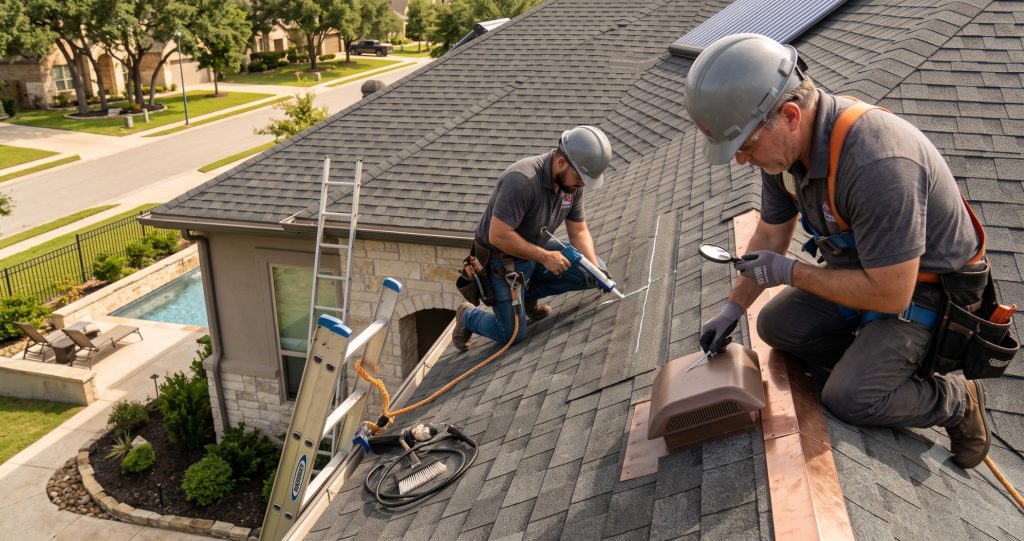

Your home’s exterior does more than define curb appeal—it serves as your first line of defense against the elements. From harsh sunlight and heavy rains to wind and debris, your roof and exterior surfaces absorb constant wear. Yet many homeowners only think about maintenance after problems appear. A proactive approach not only preserves your property’s value but also prevents costly repairs down the line.
Understanding how to maintain and upgrade your roofing and exterior systems can make a significant difference in both performance and longevity. Here’s a practical guide to keeping your home protected all year long.
Why Roofing and Exterior Maintenance Matters
Your roof and exterior aren’t just aesthetic features—they’re functional systems working together to protect your home’s structure. When one component fails, it often impacts others.
For example:
- A damaged roof can lead to water intrusion.
- Poor siding can allow moisture to seep into walls.
- Clogged gutters can cause foundation issues.
Routine inspections and maintenance ensure that small issues don’t escalate into major repairs. More importantly, they help maintain energy efficiency, keeping your home comfortable in all seasons.
Signs Your Roof Needs Attention
Many roofing problems develop gradually, making them easy to overlook until they become serious. Knowing what to watch for can help you act early.
Common warning signs include:
- Missing or curling shingles
- Dark streaks or moss growth
- Water stains on ceilings or walls
- Sagging areas on the roof
- Granules accumulating in gutters
If you notice any of these issues, it’s wise to explore professional solutions sooner rather than later. Resources likeidealroofingandexteriors.com can provide helpful insight into addressing these concerns effectively.
Seasonal Maintenance Checklist
Keeping your home exterior in top condition requires attention throughout the year. Each season brings different challenges, so your maintenance approach should adapt accordingly.
Spring
- Inspect for winter damage
- Clean gutters and downspouts
- Check for loose or damaged shingles
Summer
- Look for heat-related wear
- Inspect attic ventilation
- Wash siding and remove buildup
Fall
- Clear leaves from gutters
- Inspect flashing and seals
- Prepare for heavy rain and wind
Winter
- Watch for ice dams
- Check insulation levels
- Monitor for leaks during storms
Following a seasonal routine helps extend the life of your roofing and exterior systems while minimizing unexpected repairs.
Choosing the Right Materials for Longevity
Not all roofing and exterior materials are created equal. Your choice should reflect your climate, budget, and long-term goals.
Roofing Options
- Asphalt shingles: Affordable and widely used
- Metal roofing: Durable and energy-efficient
- Tile or slate: Long-lasting with distinctive aesthetics
Exterior Siding Options
- Vinyl siding: Low maintenance and cost-effective
- Fiber cement: Durable and weather-resistant
- Wood siding: Classic look but requires more upkeep
Investing in quality materials upfront can reduce maintenance needs and improve your home’s resilience over time.
Energy Efficiency and Exterior Upgrades
Your home’s exterior plays a major role in energy efficiency. Poor insulation or outdated materials can lead to higher utility bills and inconsistent indoor temperatures.
Smart upgrades include:
- Reflective roofing materials to reduce heat absorption
- Insulated siding to improve thermal performance
- Energy-efficient windows and doors
- Proper attic ventilation
These improvements not only lower energy costs but also make your home more comfortable year-round.
The Role of Professional Inspections
While DIY maintenance is helpful, professional inspections provide a deeper level of assessment. Experts can identify hidden issues that may not be visible from the ground.
A professional evaluation typically includes:
- Structural integrity checks
- Moisture detection
- Flashing and seal inspections
- Ventilation analysis
Scheduling an inspection at least once a year can help catch problems early and ensure your home remains in excellent condition.
Preventative Maintenance vs. Reactive Repairs
One of the biggest mistakes homeowners make is waiting until something breaks. Reactive repairs are often more expensive and disruptive than preventative maintenance.
Benefits of a proactive approach:
- Lower long-term costs
- Fewer emergency repairs
- Extended lifespan of materials
- Increased property value
Think of maintenance as an investment rather than an expense—it pays off over time.
Enhancing Curb Appeal While Protecting Your Home
Upgrading your exterior isn’t just about protection—it’s also an opportunity to enhance your home’s appearance. A well-maintained exterior creates a strong first impression and can significantly boost resale value.
Simple ways to improve curb appeal:
- Update siding colors or finishes
- Replace outdated roofing materials
- Add architectural details
- Maintain clean, functional gutters
Balancing aesthetics with durability ensures your home looks great while staying protected.
Conclusion
Your home’s roof and exterior are essential to its overall health and longevity. By staying proactive with maintenance, choosing the right materials, and investing in smart upgrades, you can protect your property from the elements while improving its efficiency and appearance.
Taking the time to address small issues before they escalate—and seeking reliable guidance when needed—makes all the difference. Whether you’re maintaining your current home or planning upgrades, staying informed is the key to making confident decisions that last.