Water damage can begin with something as simple as a leaking supply line, clogged drain, roof leak, appliance connection, or failed plumbing component. What appears to be a minor problem can eventually affect flooring, drywall, cabinets, insulation, and other parts of a home.
For homeowners in Vancouver, WA, prevention is often easier than dealing with a major restoration project after water has already spread through the property. Regular inspections, quick repairs, and awareness of common moisture problems can make a meaningful difference.
When prevention is no longer possible, knowing who to contact for Water damage restoration Vancouver WA can also help homeowners respond more confidently to an emergency.
Inspect Plumbing Connections Regularly
Plumbing fixtures and connections deserve regular attention because small leaks can remain unnoticed for long periods.
Check around:
- Sinks
- Toilets
- Washing machines
- Dishwashers
- Water heaters
- Refrigerators with water lines
- Bathtubs and showers
- Exposed supply lines
Look for dripping water, corrosion, discoloration, swollen cabinets, damp flooring, or musty odors.
A small amount of moisture around a connection should not automatically be ignored. Early repairs can prevent a minor plumbing issue from becoming a larger restoration problem.
Know Where Your Main Water Shutoff Is
Every homeowner should know where the property’s main water shutoff valve is located.
During a plumbing emergency, finding the valve for the first time can waste valuable minutes. Make sure household members know its location and understand how it operates.
This is especially important when a pipe suddenly fails while nobody is immediately available to call a plumber.
Quickly stopping the water can reduce the amount of water entering the structure.
Pay Attention to Your Roof and Gutters
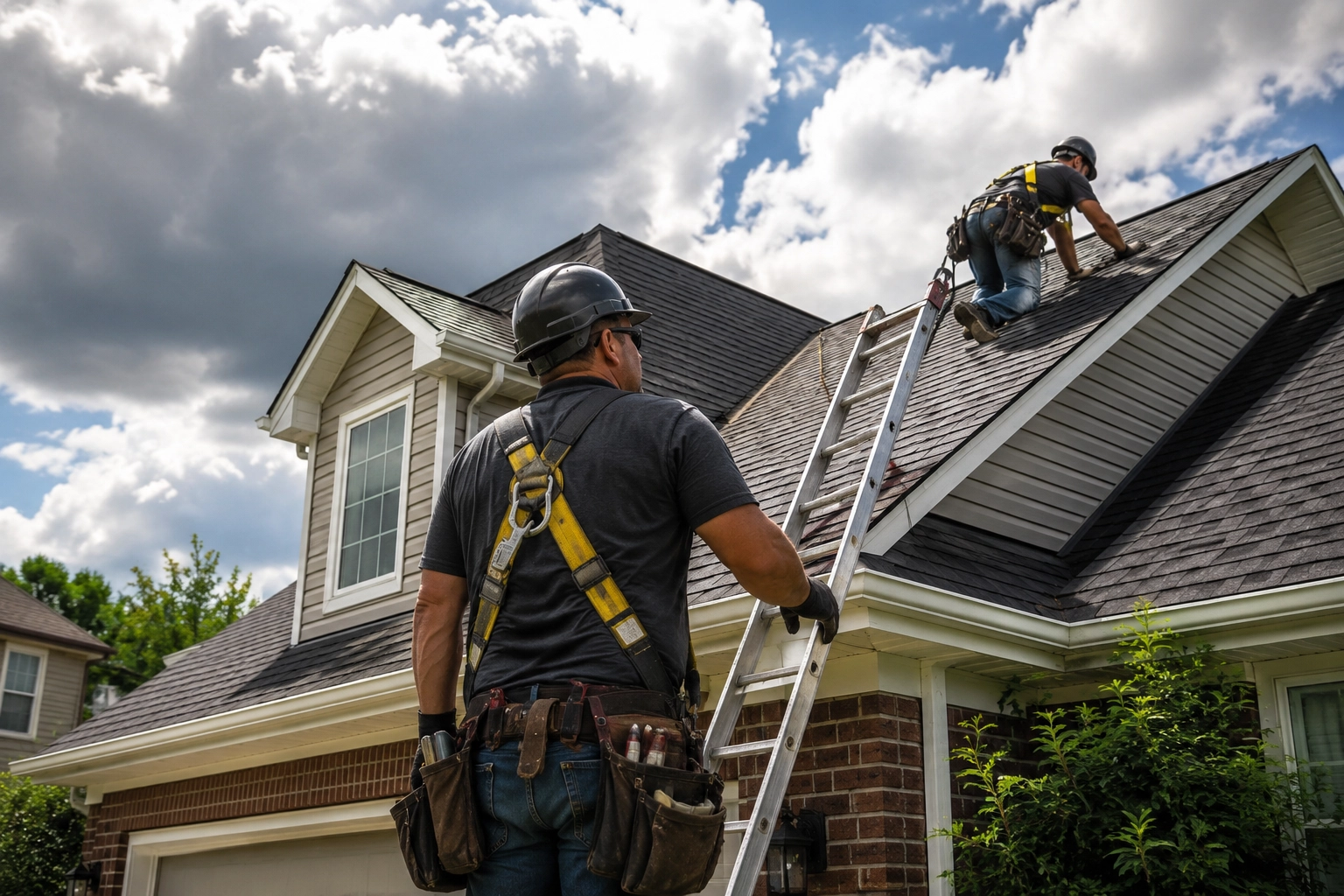
Water damage does not always start inside the plumbing system. Roof leaks, clogged gutters, and poor drainage can also allow moisture to enter a home.
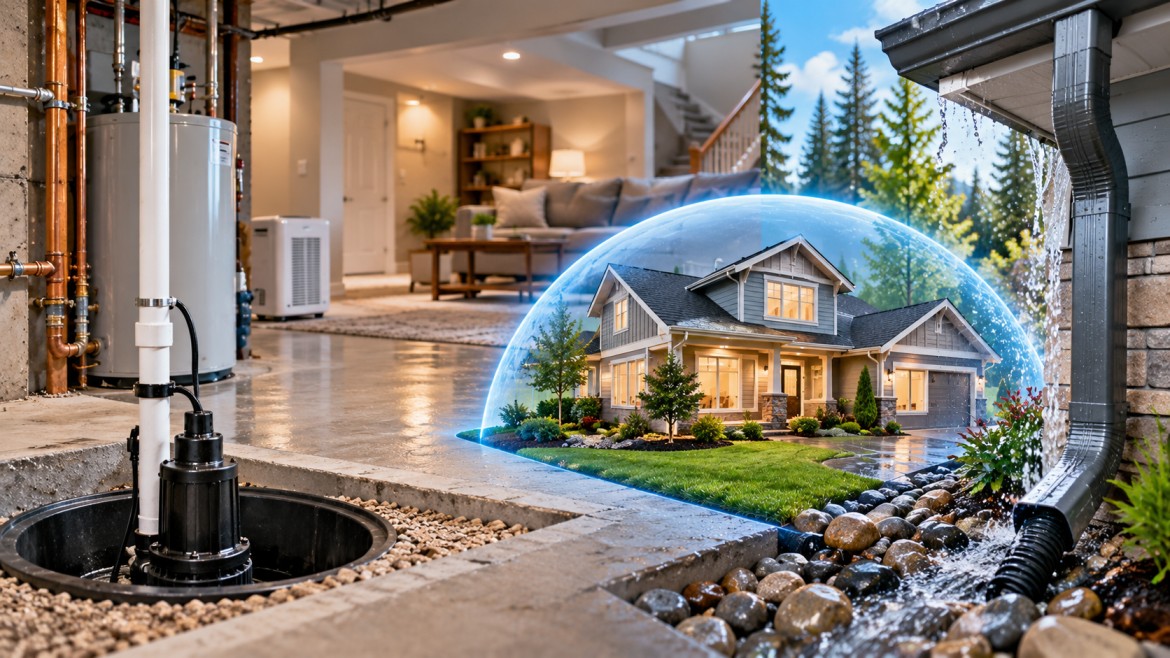
Inspect gutters and downspouts regularly and make sure water is directed away from the foundation.
The EPA recommends addressing sources of water intrusion and making sure ground conditions do not encourage water to collect around a building foundation. EPA moisture-control recommendations
After heavy rain or a major storm, check ceilings, attic areas, exterior walls, and other vulnerable locations for signs of moisture.
Protect Your Home From Winter Plumbing Problems
Cold weather can increase the risk of frozen or damaged pipes.
Homeowners should pay particular attention to pipes located in areas exposed to cold temperatures, including garages, crawlspaces, utility spaces, and exterior walls.
Insulation can help protect vulnerable plumbing. During periods of freezing weather, homeowners should also be alert for unusual changes in water pressure or flow.
If a pipe freezes, avoid experimenting with unsafe heating methods. When a pipe appears damaged or has already burst, shut off the water if safe and contact a professional.
Watch for Early Signs of Moisture
Water damage does not always announce itself with standing water.
Early warning signs may include:
Musty Odors
A persistent musty smell can indicate unwanted moisture or microbial growth.
Discoloration
Brown, yellow, or dark stains on ceilings and walls may indicate previous or ongoing water intrusion.
Swollen Materials
Warped flooring, bubbling paint, swollen cabinets, or damaged trim can indicate moisture exposure.
Peeling Paint
Paint or wallpaper that begins separating from a surface may sometimes indicate moisture behind it.
Unexplained Humidity
Persistent indoor humidity or condensation may point to a ventilation or moisture-control issue.
If these signs appear, investigate the source instead of simply covering up the visible damage.
Keep Bathrooms and Kitchens Properly Ventilated
Bathrooms and kitchens naturally generate moisture through showers, cooking, dishwashing, and other activities.
Use exhaust fans where appropriate and make sure they vent correctly. The EPA recommends ventilation and moisture control as part of preventing indoor mold problems. EPA mold prevention guidance
Homeowners should also watch for condensation around windows, pipes, and other cold surfaces.
Reducing unnecessary moisture can help protect building materials and make the home less vulnerable to persistent damp conditions.
Don’t Ignore Crawlspace or Basement Moisture
Crawlspaces and below-grade areas can be easy to overlook because homeowners may not visit them regularly.
Check these areas periodically for:
- Damp soil
- Standing water
- Wet insulation
- Condensation
- Musty smells
- Water stains
- Plumbing leaks
- Signs of drainage problems
The earlier a moisture source is identified, the easier it may be to address.
For Vancouver-area properties, professional evaluation can be particularly useful when homeowners cannot determine where recurring moisture is coming from.
What to Do When Prevention Fails
Even well-maintained homes can experience unexpected water emergencies.
If a pipe bursts, an appliance fails, or significant water enters the property, homeowners should prioritize safety first. Stop the water source if possible, avoid electrical hazards, document the damage, and contact a restoration professional.
Ona Restoration provides 24/7 emergency response in Vancouver, WA and surrounding Clark County communities. Its documented restoration process includes inspection, moisture mapping, extraction, structural drying, cleaning, and reconstruction when required.
The company’s Vancouver water-damage service provides a dedicated resource for homeowners dealing with burst pipes, flooded areas, appliance leaks, and other water-related emergencies: Water damage restoration Vancouver WA.
Ona Restoration is also a licensed Washington contractor and IICRC certified, and it works directly with homeowners and insurance claims.
Why Fast Response Matters
Water can move into materials that are difficult to see or access. Flooring assemblies, drywall, cabinetry, and structural areas can retain moisture after visible water has been removed.
The EPA advises that water-damaged areas and items should be dried within 24–48 hours when possible to help prevent mold growth. EPA water-damage and mold guidance
That does not mean every water-loss situation can be resolved within a specific timeframe. The amount of damage, type of materials, and source of water all matter. It does mean that homeowners should not unnecessarily delay assessment and drying after a significant water event.
Frequently Asked Questions
What is the easiest way to prevent water damage?
Regularly inspect plumbing connections, appliances, roofs, gutters, and vulnerable areas while responding quickly to leaks or moisture problems.
How can I tell if my home has hidden water damage?
Musty odors, stains, warped materials, peeling paint, unexplained humidity, and recurring dampness can all be warning signs. Professional moisture assessment may be necessary to locate concealed problems.
Should I inspect my crawlspace?
Yes. Periodic inspection can help identify plumbing leaks, standing water, condensation, and other moisture problems before they become more extensive.
Can ventilation help prevent moisture problems?
Yes. Proper ventilation in moisture-producing areas such as kitchens and bathrooms can help control indoor humidity and condensation.
What should I do during a major water leak?
If safe, shut off the water, stay away from electrical hazards, protect valuable belongings when possible, document the damage, and contact an appropriate restoration professional.
Final Takeaway
Preventing water damage starts with awareness. Plumbing inspections, proper ventilation, roof and gutter maintenance, winter preparation, and regular checks of crawlspaces and other vulnerable areas can help Vancouver homeowners catch problems early.
But emergencies can still happen. When significant water damage occurs, a fast and organized response is important. Having a local restoration provider such as Ona Restoration available 24/7 gives homeowners a resource for assessment, drying, restoration, and insurance-related documentation when an unexpected water event affects their property.