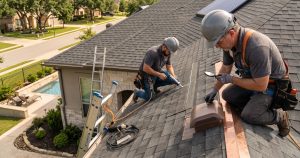
Hiring a certified spray foam contractor ensures superior insulation performance through proper material handling, precise application techniques, and adherence to industry safety standards. These certified professionals have completed extensive training programs that verify their knowledge of chemical reactions, equipment maintenance, and application methods that affect thermal performance, moisture control, and building durability. Studies show that insulation installed by certified spray foam insulation services consistently outperforms non-certified installations by 20-30% in energy efficiency metrics and longevity.
Working with a certified spray foam insulation contractor protects your investment by minimizing common installation errors that can lead to costly failures such as improper mixing ratios, inadequate preparation, or insufficient thickness. Certification programs from organizations like SPFA (Spray Polyurethane Foam Alliance) and BPI (Building Performance Institute) verify that professionals maintain current knowledge of building science principles, safety protocols, and application best practices that directly impact your home’s comfort and efficiency.
Certification Standards and What They Mean
Various professional certifications indicate different levels of expertise and specialization within the spray foam insulation industry.
| Certification | Issuing Organization | Skills Verified | Renewal Requirements | Significance to Homeowners |
|---|---|---|---|---|
| SPFA Professional Certification | Spray Polyurethane Foam Alliance | Material knowledge, application techniques, safety protocols | Every 3 years with continuing education | Comprehensive industry standard for application quality |
| BPI Building Analyst | Building Performance Institute | Whole-home performance testing, energy auditing | Every 3 years with exam | Ensures whole-building approach to insulation |
| RESNET HERS Rater | Residential Energy Services Network | Energy modeling, code compliance verification | Annual quality assurance | Quantifies energy savings potential |
| Manufacturer Certification | Various product manufacturers | Product-specific application methods | Varies by manufacturer | Ensures warranty coverage validity |
| OSHA 10/30 Safety | Occupational Safety and Health Administration | Workplace safety protocols | One-time certification | Ensures proper safety measures during installation |
Bonus Tip: When evaluating a spray foam insulation contractor, ask to see their most recent certification credentials. Active membership in professional associations often indicates commitment to ongoing education beyond minimum certification requirements.
Performance Differences: Certified vs. Non-Certified Installation
The practical differences between installations completed by certified and non-certified professionals significantly impact long-term performance and value.
Technical Performance Metrics
| Performance Factor | Typical Results with Non-Certified Installation | Typical Results with Certified Professional | Impact on Building Performance |
|---|---|---|---|
| Installed R-Value Consistency | 15-30% below manufacturer specifications | Within 5% of rated specifications | 10-25% difference in energy costs |
| Air Leakage Reduction | 40-60% reduction from baseline | 80-95% reduction from baseline | Significant draft elimination |
| Adhesion to Substrates | Spotty adhesion with 10-20% detachment risk | 95%+ proper adhesion | Long-term performance stability |
| Moisture Control Effectiveness | Variable with common problem areas | Comprehensive moisture barrier | Reduced mold and rot risk |
| Installation Uniformity | Inconsistent thickness variations up to 50% | Even application within 10% tolerance | Elimination of cold spots |
| Chemical Mixing Accuracy | Often imbalanced affecting curing | Precise ratio control | Proper foam cell structure |
Market Fact: According to industry data from Spring 2025, buildings with certified spray foam company installations show an average of 32% lower heating and cooling costs compared to those with non-certified installations, even when using identical materials.
Safety and Health Considerations
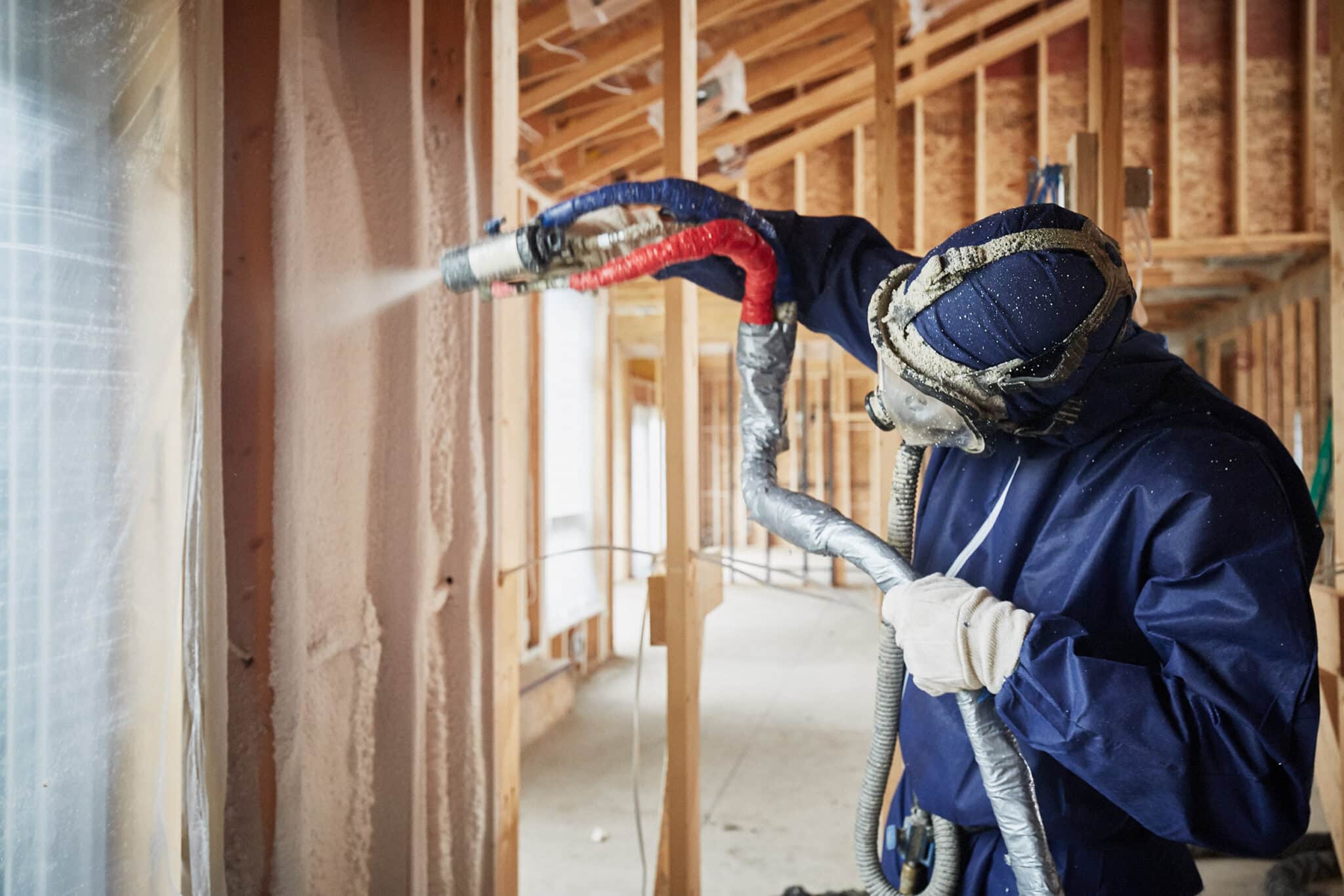
Certified professionals follow rigorous safety protocols that protect both installers and occupants. A certified spray foam contractor implements these critical safety measures:
Protection During Installation
Ventilation and Containment Systems
- Negative air pressure maintenance
- HEPA filtration systems
- Cross-contamination prevention barriers
Personal Protective Equipment Standards
- Full-face or supplied air respirators
- Chemical-resistant coveralls and gloves
- Proper decontamination procedures
Occupant Safety Measures
- Building evacuation timing requirements
- HVAC shutdown and protection protocols
- Post-installation air quality verification
Long-term Health Considerations
Proper installation by certified professionals ensures the insulation materials fully cure and off-gas appropriately, preventing potential indoor air quality issues that can occur with improper application.
Bonus Tip: Request documentation of indoor air quality testing after installation is complete. Most certified spray foam insulation services include this as part of their quality assurance process.
Quality Assurance Processes Used by Certified Professionals
Certified spray foam insulation companies implement systematic quality verification that ensures consistent results.
| Quality Assurance Process | Purpose | Measurement Method | Performance Standard |
|---|---|---|---|
| Pre-Application Testing | Verify substrate temperature and moisture | Digital monitoring equipment | <19% moisture content, 40-100°F |
| Material Temperature Control | Ensure proper chemical reaction | Digital monitoring systems | Typically 75-85°F (varies by product) |
| Thickness Verification | Confirm specified R-value | Depth gauges and core sampling | Within 10% of specification |
| Density Testing | Verify proper cell structure | Core sample analysis | Within 5% of specified density |
| Adhesion Testing | Confirm structural attachment | Pull testing | Minimum 15 psi adhesion strength |
| Infrared Scanning | Identify coverage gaps or inconsistencies | Thermal imaging | No significant temperature variations |
Things to Consider Before Making a Decision
Verification of Certification and Experience
Before hiring a best spray foam insulation service, thoroughly assess their qualifications:
- Request copies of current certification credentials
- Verify certification status with issuing organizations
- Review specific experience with your building type
- Examine project portfolio and case studies
- Check references from similar completed projects
Project Documentation Review
Professional documentation should include:
- Detailed scope of work with specified R-values
- Material safety data sheets
- Written application procedures
- Quality assurance protocols
- Warranty documentation
- Post-installation verification methods
Comprehensive Cost Analysis
Evaluate the complete financial picture:
- Initial installation costs vs. long-term energy savings
- Warranty coverage duration and terms
- Potential rebates and incentives requiring certified installation
- Property insurance implications
- Resale value considerations
Common Questions About Certified Spray Foam Professionals
Certification Impact on Warranty Coverage
Most manufacturer warranties require installation by certified professionals. Non-certified installation typically voids material warranties, leaving homeowners without protection against product failures.
Post-Installation Verification Process
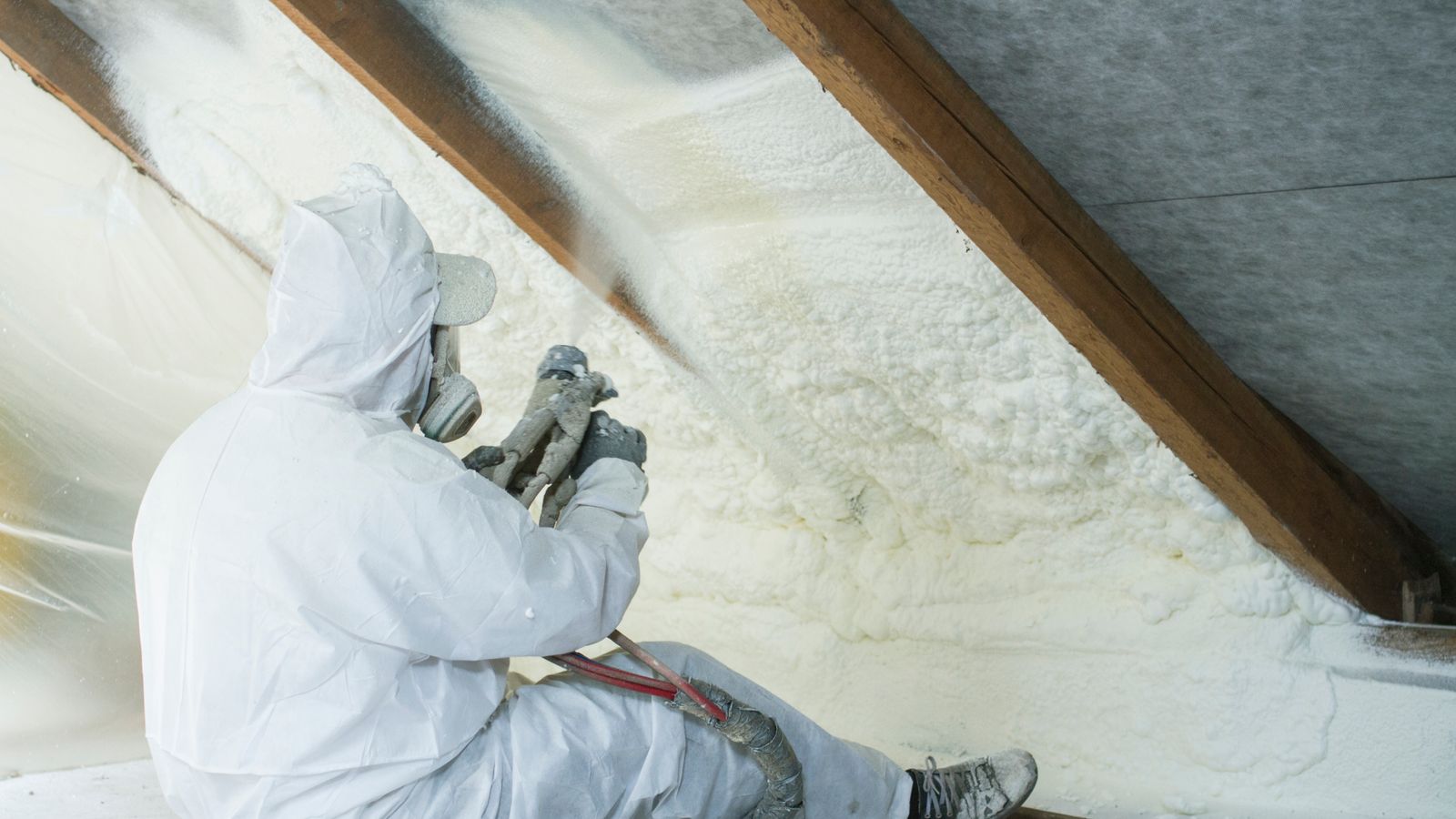
Certified spray foam insulation contractors provide documentation verifying installed R-values, coverage completeness, and proper curing. This documentation often includes thermal imaging reports, core samples, and thickness measurements.
Building Code Compliance Assurance
Current building codes specify minimum insulation performance requirements that certified professionals understand thoroughly. Their knowledge ensures installations meet or exceed local code requirements, preventing costly compliance issues.
FAQ
How do I verify a spray foam professional’s certifications?
Check the SPFA website for their Professional Certification Program directory, or contact the certification organization directly using the contractor’s certification number. Legitimate professionals readily provide proof of current certification status.
What’s the typical cost difference between certified and non-certified installation?
Certified spray foam contractor services typically cost 10-25% more upfront than non-certified alternatives. However, this premium is usually recovered through superior energy performance, reduced callback issues, and valid warranty coverage.
Does certification guarantee a perfect installation?
While certification significantly reduces the risk of installation problems, proper project oversight remains important. The best approach combines hiring certified professionals with understanding the basic quality indicators of proper installation.
How long does certified spray foam insulation last?
Properly installed spray foam by certified professionals typically lasts the lifetime of the building (50+ years) without degradation, while improperly installed foam may develop issues within 5-10 years, including shrinkage, detachment, or performance loss.
Can existing spray foam problems be fixed?
Major installation defects in spray foam often require complete removal and reapplication. This remediation process typically costs 2-3 times more than initial installation, highlighting the importance of choosing certified spray foam insulation services from the start.
Making Your Final Decision
Selecting a certified spray foam contractor provides significant advantages in installation quality, energy performance, safety protocols, and long-term value. The comprehensive training and ongoing education required for certification ensures your insulation project benefits from current best practices and technical expertise.
When evaluating quotes, remember that the critical factors of proper chemical mixing, application techniques, safety protocols, and quality verification directly impact your insulation’s performance for decades to come—making certification one of the most important factors in your selection decision.
Reviewer: Maria Lopez reviewed the article and brought 12 years of insulation industry experience to improve the guidance. Practical tips were added, and the content was made clearer and more useful for contractors working in the field every day.