
Choosing the best insulation for a property in Oxford demands a clear understanding of how each material performs under regional climate conditions. The local weather—marked by cold winters and humid summers—requires insulation that resists moisture, controls airflow, and sustains thermal performance year-round.
Property owners in Oxford typically achieve the best results by selecting insulation based on project type, budget, long-term performance goals, and structural design. This guide delivers a detailed, experience-based comparison of the most commonly used insulation materials—presented in clear tables and supported by regional knowledge—to support informed decision-making.
Lamothe Insulation and Contracting applies two decades of field experience to help property owners make effective insulation choices, ensuring thermal comfort, energy efficiency, and structural integrity across residential and commercial settings.
Understanding the Core Differences Between Insulation Types
| Insulation Type | Best Use Cases | Moisture Resistance | Air Seal Quality | R-Value (per inch) | Soundproofing | Fire Resistance | Longevity |
| Closed-Cell Spray Foam | Exterior walls, basements, roofs | High | Excellent | 6.5–7.0 | Moderate | High (with coating) | 30+ years |
| Open-Cell Spray Foam | Interior walls, attics | Moderate | High | 3.5–3.7 | High | Moderate | 20–25 years |
| Blown-In Cellulose | Attics, walls | Low | Low | 3.2–3.8 | Good | Treated: High | 15–20 years |
| Blown-In Fiberglass | Walls, attics | Moderate | Low | 2.2–2.7 | Moderate | High | 20–30 years |
| Mineral Wool | Soundproof walls, fire-prone areas | High | Moderate | 3.7–4.2 | Excellent | Excellent | 30+ years |
| Dense-Pack Cellulose | Enclosed wall cavities | Low | Moderate | 3.7–4.0 | Good | Treated: High | 20–25 years |
Technical Performance Specifications
| Property Factor | Closed-Cell Foam | Open-Cell Foam | Mineral Wool | Cellulose | Fiberglass |
| Vapor Barrier | Yes | No | No | No | No |
| Structural Rigidity Added | High | Low | None | None | None |
| Mold Resistance | Excellent | Moderate | Excellent | Moderate | Low |
| Recyclability | Low | Low | High | High | Moderate |
| Installation Temperature | >40°F | >40°F | N/A | N/A | N/A |
| Install Method | Spray | Spray | Batts | Blown | Blown |
| Air Infiltration Prevention | Excellent | Excellent | Moderate | Low | Low |
Oxford’s Climate Considerations and Best Fits
Oxford experiences cold, snowy winters and hot, humid summers. Insulation must manage thermal transfer while resisting air leakage and moisture buildup. Based on these conditions:
- Closed-cell foam performs best where moisture control is critical—like basements or unvented attics.
- Open-cell foam is ideal for interior wall cavities and attics where acoustic control and air sealing are needed.
- Mineral wool is recommended for properties needing enhanced fire protection or sound dampening.
- Blown-in cellulose and fiberglass offer cost-effective performance in attics but require proper air sealing to prevent thermal bridging.
Bonus Tip: In older Oxford homes with irregular framing, dense-pack cellulose can conform better than rigid materials, offering improved coverage.
Things to Consider Before Making a Decision
- Budget vs. Performance: Closed-cell foam has a higher upfront cost but significantly outperforms in R-value and durability. Fiberglass is more affordable but less efficient.
- Moisture Risk Areas: Choose materials with high moisture resistance in basements, crawl spaces, or areas prone to water exposure.
- Soundproofing Needs: Mineral wool and open-cell foam provide excellent acoustic insulation.
- Fire Code Compliance: Areas near furnaces, garages, or kitchens may require non-combustible options like mineral wool or coatings over foam.
- Structural Goals: Closed-cell foam adds rigidity to walls and can improve structural strength in storm-prone zones.
Bonus Tip: Always verify that your chosen insulation meets the current Massachusetts energy code and local building inspection requirements.
Common Questions Before Choosing Insulation
- How fast can the installation be completed?
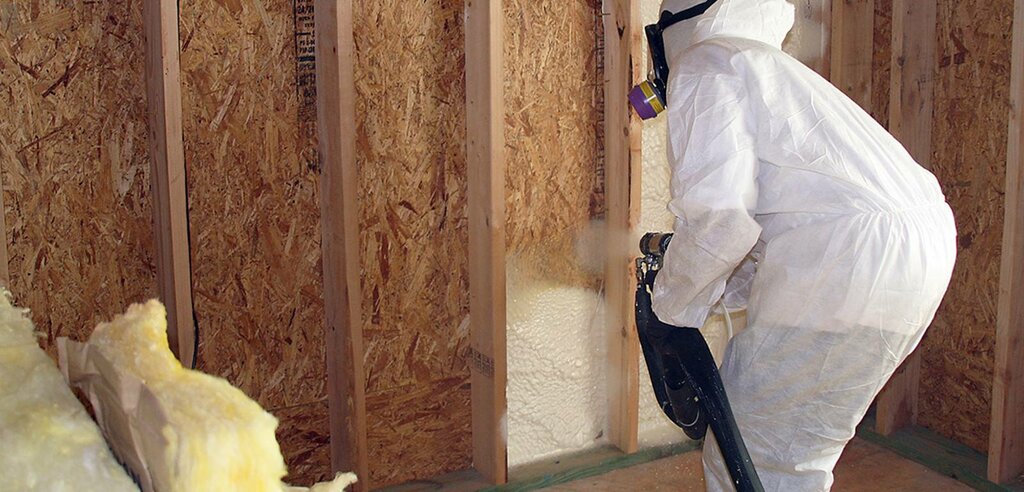
Open-cell and closed-cell spray foam can typically be applied in a single day, while blown-in cellulose or fiberglass may require preparation and cleanup time.
- Can I layer insulation types?
Yes. For example, combining closed-cell foam for moisture control with blown-in cellulose for added R-value is effective in mixed climate zones.
- What’s the safest insulation in fire-prone structures?
Mineral wool offers the highest fire resistance and does not burn or emit toxic gases.
- Do I need to remove old insulation first?
Yes. Installing over degraded insulation can trap moisture and reduce performance. Removal ensures clean application and full coverage.
Services Available for Oxford Property Owners
Lamothe Insulation and Contracting offers a range of specialized insulation services tailored to Oxford’s building styles and climate.
- Open-Cell Spray Foam Insulation
Applied to interior walls and attic spaces for high air sealing and acoustic control.
- Closed-Cell Spray Foam Insulation
Used in foundations, roofs, and basements where water resistance and strength are key.
- Insulation Removal
Safe and clean extraction of old, damaged, or ineffective insulation prior to upgrades.
- Thermal & Intumescent Coatings
Fire-retardant coatings applied over foam to meet building codes and enhance fire resistance.
- Blown-In Insulation
Cost-effective solution for attics and hard-to-reach spaces, typically fiberglass or cellulose.
- Mineral Wool Insulation
Ideal for sound control and fire protection in residential and commercial properties.
- Blown-In Cellulose Insulation
Eco-friendly option with good thermal performance for attic retrofits and wall cavities.
- Dense-Pack Cellulose
High-density application designed for enclosed walls and energy retrofits.
Bonus Tip: For historical homes in Oxford, cellulose and open-cell foam provide the flexibility needed to preserve framing while enhancing efficiency.

Frequently Asked Questions About Insulation
What’s the average R-value needed for homes in Oxford?
Massachusetts building codes typically recommend R-38 to R-60 in attics and R-13 to R-21 in wall cavities depending on the structure’s location and design.
Does insulation stop air leaks?
Only certain types like spray foam provide a continuous air barrier. Fiberglass and cellulose must be paired with air sealing techniques for full performance.
How often should insulation be replaced?
Most modern insulations last 20–30 years. However, if there’s moisture damage, pest infestation, or visible deterioration, immediate replacement is recommended.
Is DIY insulation installation recommended?
Not for spray foam or dense-pack cellulose. Professional installation ensures safety, material performance, and code compliance.
Can insulation improve indoor air quality?
Yes. Proper air sealing with spray foam and removal of old, mold-prone insulation improves air quality, especially when paired with ventilation.
Ready to Improve Comfort and Efficiency?
The right insulation transforms an Oxford property by lowering energy costs, managing moisture, and improving indoor comfort. Apply these insights now: schedule a professional evaluation and optimize your insulation strategy today.
Contact
Lamothe Insulation and Contracting
(508) 847-0119
[email protected]
Author and Reviewer:
Author: With over two decades of hands-on experience, Robert Lamothe, owner and lead installer of Lamothe Insulation, brings unparalleled expertise in spray foam insulation, carpentry, and building science. Since 2002, he has earned a reputation for precision, quality craftsmanship, and delivering energy-efficient solutions that stand the test of time. Lamothe Insulation is a family-owned and family-operated business, and Robert also owns the Goddard School of Auburn, an early childhood education school.
Reviewer: Ethan Taylor has 8 years of experience in spray foam insulation. He reviewed this content and suggested ways to simplify business outreach while keeping trust and professionalism intact.