
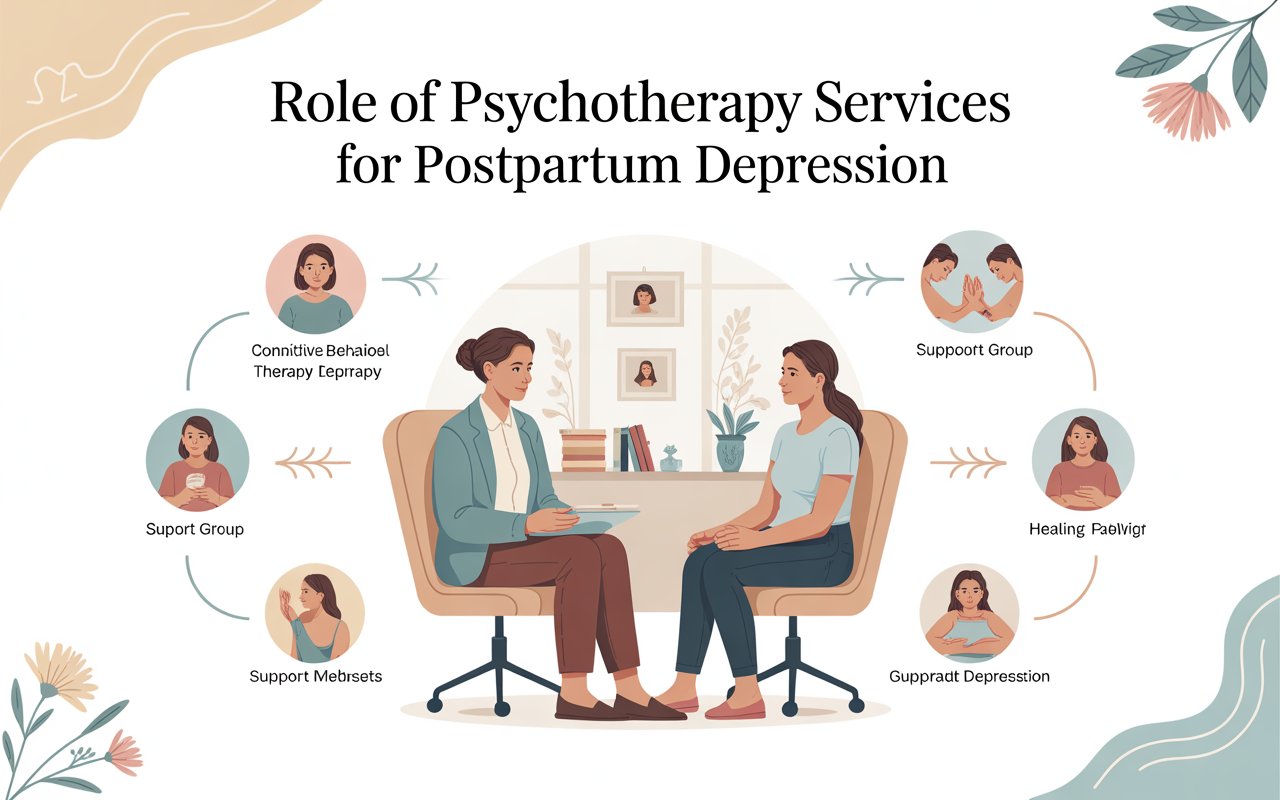
PPD is defined as the emotional, physical, and behavioral changes experienced by women for a few days or weeks after delivery. Many new mothers feel low or overwhelmed and keep it to themselves. A Healthcare professional will talk to you about your feelings and identify whether it is standard baby blues or something more profound. Psychotherapy services can provide reliable and long-term support.
What Symptoms Indicate A Mother Is Experiencing A Depressive Episode?
Mothers usually show emotional and physical changes.
Persistent Low Mood
The mother may be very depressed, empty, or emotionally flat throughout the day. This may involve frequent crying, sadness, or being observed as withdrawn. Feelings of worthlessness and guilt usually accompany this emotional change. It can affect her daily functioning and the bonding with her baby.
Loss of Interest
The activities like bonding moments, hobbies, or conversations that once brought joy to her face may no longer feel enjoyable. This anhedonia may manifest as decreased libido and a lack of motivation.
Disturbed Sleep
Insomnia, hypersomnia, unusual early morning wakefulness, and persistent fatigue can occur. Simple tasks like feeding or bathing the baby can be traumatizing. Fatigue becomes persistent and is not relieved by rest.
Negative Self-Perception
Reduced concentration, indecisiveness, and intrusive thoughts of worthlessness or guilt are standard. Mental fog, low self-esteem, and lack of confidence can disrupt caregiving, decision-making, and managing daily responsibilities.
How Do Psychotherapy Services Support Postpartum Depression Recovery?
Psychotherapy, counseling, medicine, or both are often used to treat postpartum depression.
Talk Therapy
Mothers who feel sad, irritable, guilty, suffer panic, feel numb, or disconnected with their baby find it helpful to discuss when they talk with a psychiatrist or psychologist. By examining thoughts, changes in behavior, sleeping difficulties, and moods, professionals help to determine symptoms as short-term baby blues or clinical PPD.
Skill-Building
Through Psychotherapy services, mothers can learn grounding techniques, journaling, mood monitoring, and breathing exercises, such as the 4-7-8 method. Therapists guide goal setting using SMART techniques and educate them about communication strategies that can reduce daily stress and conflict, including structured couple discussions.
Evidence-Based Therapies
Cognitive Behavioral Therapy (CBT) employs cognitive restructuring and behavioral activation to address thoughts such as “I am not a good mother.” Interpersonal Psychotherapy (IPT) is focused on relationship stress, role changes, and unresolved grief. These systematic methods are widely recommended for postpartum depression treatment.
Cognitive Counseling
It may help many mothers to learn how to manage the intrusive thoughts, racing emotions, and overwhelming sadness. Tools such as thought logs, worksheets, and exposure strategies can help regulate responses. Postpartum Support International and other support groups reduce isolation and provide mutual understanding.
Pharmacological Therapy
The common antidepressants used include Sertraline, Fluoxetine, Paroxetine, and Escitalopram. They are generally safe during breastfeeding, with minimal side effects for the infant. The doctors monitor doses to prevent restlessness, nausea, or sleep disturbances.
Medicines
Brexanolone (Zulresso) stabilizes GABA activity after childbirth. It must be administered as a 60-hour IV infusion under medical supervision due to the side effects, such as fainting or excessive medication. Other drugs can contain antipsychotics or mood stabilizers for severe symptoms.
ECT
It can be applied where depression involves psychosis or where drugs are not working. It helps to reset brain pathways by triggering controlled seizures that reduce severe symptoms, including hallucinations, paranoia, or suicidal thoughts.
Conclusion
For both the woman who is suffering from it and her family, PPD may be severely detrimental and affects 1 in 7 women after giving birth. At Optimal Brain MN Clinic, Psychotherapy services help mothers rebuild clarity and confidence, often showing progress in 6–12 sessions. Book an appointment today.